

2026 NC Community College System Conference highlights student success, workforce preparation and statewide collaboration
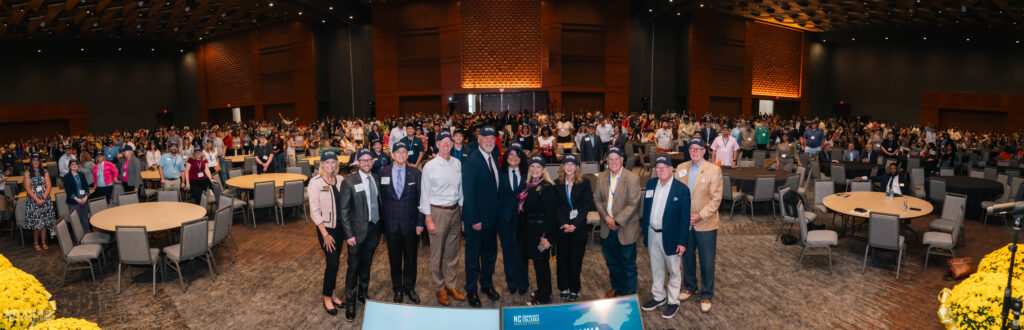
RALEIGH, N.C. — The North Carolina Community College System brought together nearly 2,000 educators, administrators, college leaders and industry partners Oct. 14-16 for its 2026 System Conference, a three-day gathering focused on strengthening student success and preparing North Carolinians for an evolving workforce.
The biennial conference, held in Raleigh, was centered on the theme “An Essential Investment: Centering Students in the Future of Work.” The event provided opportunities for faculty, staff and leaders from across the state’s 58 community colleges to exchange ideas, explore innovative approaches to education, and strengthen partnerships that support student achievement and economic growth.
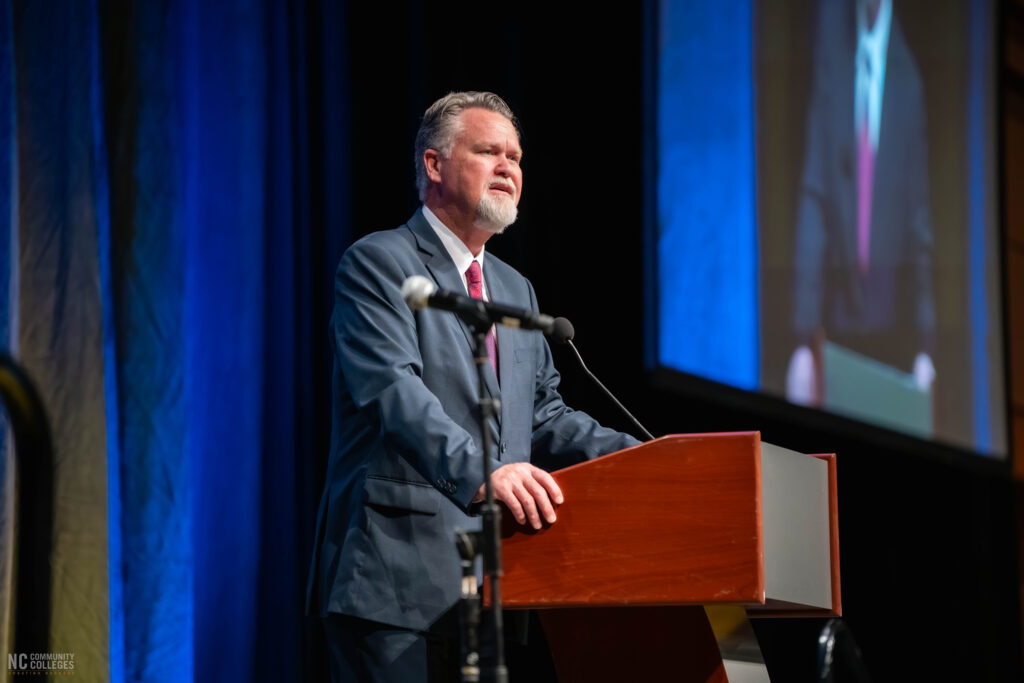
“Every student who comes to one of our colleges has a reason for being there,” said Dr. Monty Sullivan, acting president and CEO of the North Carolina Community College System. “Whether they’re starting college for the first time, returning to finish a credential, or building skills for work that has changed, our job is the same: make the path clear and keep it within reach. Every one of our 58 colleges brings expertise to that work, and this conference showed what we can do when we bring it together.”
Throughout the conference, participants engaged in professional development workshops, concurrent sessions and roundtable discussions organized around five tracks:
- Building On-Ramps, Recruitment, and Early Student Success;
- Strengthening Student Success Outcomes;
- Teaching & Learning: Building Versatile Skills;
- Employer-Aligned, Affordable, and Efficient Pathways; and
- Leadership, Innovation, and Institutional Capacity.
Sessions highlighted practical strategies for supporting students from recruitment through completion and employment, strengthening teaching and learning, aligning education with workforce needs, and leveraging innovation to improve institutional effectiveness and student outcomes.
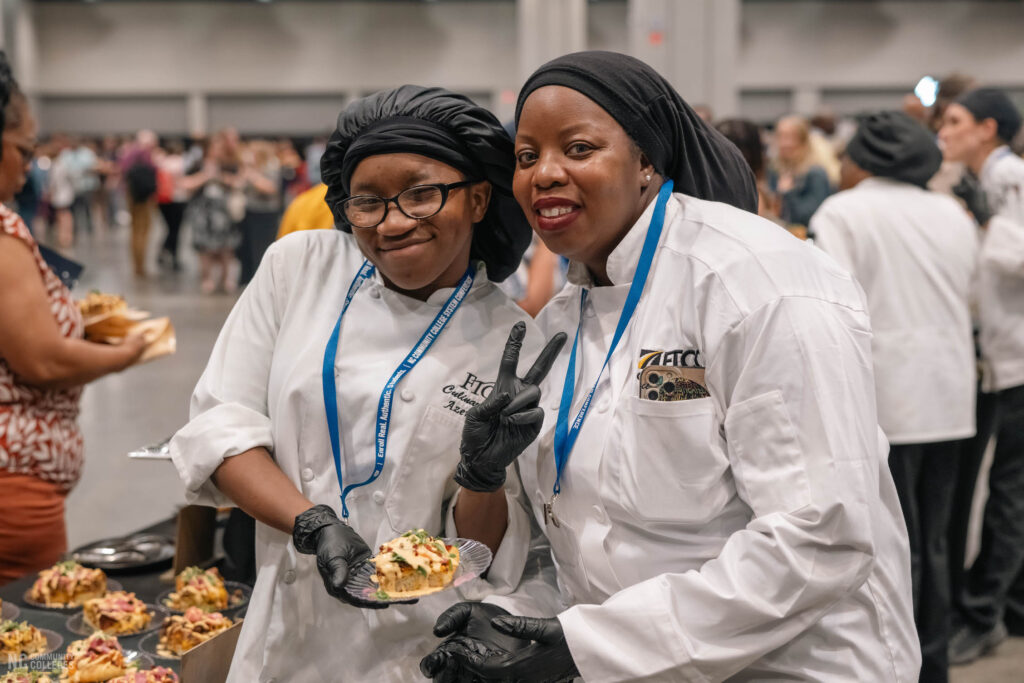
Beyond the educational sessions, the conference showcased innovative technologies, instructional resources and hands-on learning opportunities through an exhibit hall featuring more than 80 education partners. Mobile laboratories highlighted workforce training applications in health care, advanced manufacturing and emerging technologies, while student-focused poster presentations demonstrated innovative practices and research taking place at North Carolina community colleges.
The conference also celebrated student talent through an opening culinary and poster reception featuring culinary programs from six community colleges, along with student artwork and entertainment.
Dr. Brian S. Merritt, Senior Vice President and Chief Academic Officer of the System, helped set the tone during the opening session, emphasizing the essential role community colleges play in connecting students to meaningful careers and greater opportunities.
“When we developed this year’s conference theme, one word was especially important to us: essential. Our colleges are more essential than ever. Our responsibility extends beyond helping students enroll and complete a credential. It’s about making sure that credential leads somewhere: to a meaningful career, further education, and greater opportunity,” Merritt said during his remarks.
 The conference’s Oct. 15 keynote featured Davis Jenkins and Hana Lahr, researchers with the Community College Research Center at Columbia University, who presented “Next Frontiers for Community College Innovation: Redesigning the Student Experience for Educational and Career Success.”
Drawing on a decade of research on guided pathways and their new book, More Essential Than Ever: Community College Pathways to Educational and Career Success, Jenkins and Lahr explored opportunities to improve student outcomes in college, careers and further education. Their presentation emphasized reimagining recruitment and onboarding to help students develop purposeful educational plans aligned with their interests, strengths, and aspirations.
The conference featured more than 100 breakout sessions, providing opportunities for educators and leaders to share innovative practices and practical solutions to challenges facing higher education. In addition, nine poster presentations showcased projects from colleges across the state, including
- “Eagle Start: Refining the Bridge — Insights and Outcomes for College Access and Student Success,” presented by Ashley Wheeler of Wake Technical Community College;
- “The Ethics of Generative AI in Community Colleges,” presented by Cheryl Coyle of Central Piedmont Community College; and
- “From Ground to Stratosphere: Centering Students in STEM through the BLAST Project,” presented by Solomon Gugsa of South Piedmont Community College.
Tiffany Skouby, Director of Student Life at the System, played a key role in the development of the conference.
“After two years of planning, it feels incredible to see our committees’ hard work, ideas, and vision come to life. There are so many moving parts that go into a conference of this size, and seeing everything come together has been extremely rewarding. I truly believe this conference reflects the voice of the North Carolina Community College System, where we are today, and the direction we’re heading,” Skouby said.
Beyond the success of the event itself, Skouby emphasized the importance of carrying the conference’s momentum back to campuses across the state.
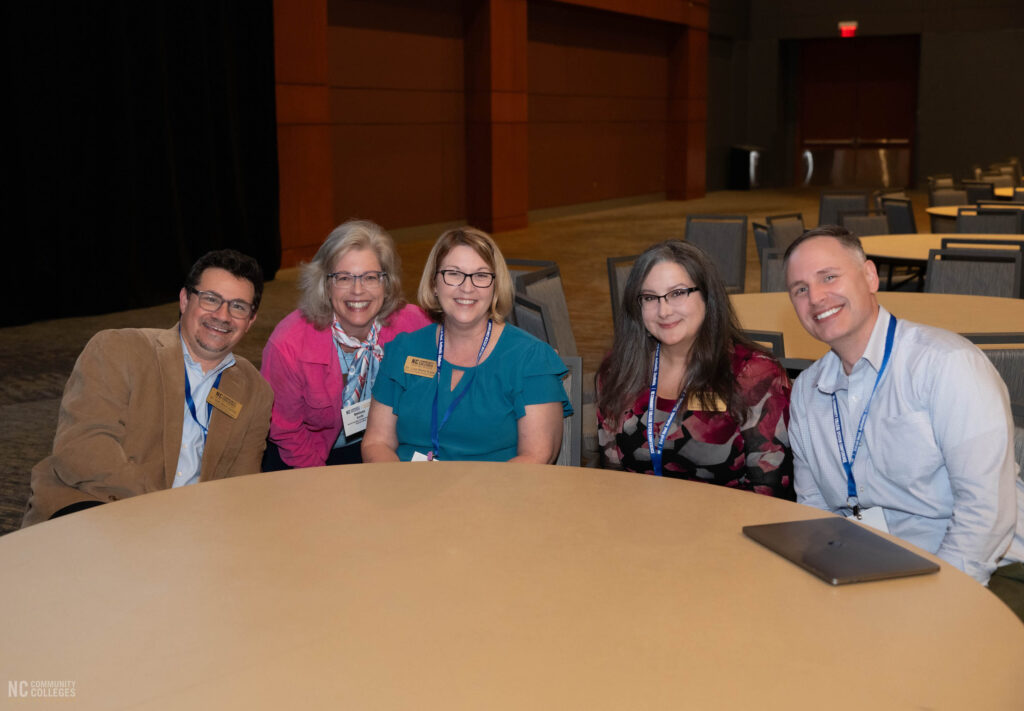 “This conference wasn’t simply about coming together for a few days. It was about building momentum, strengthening connections, and returning to our colleges inspired to turn those conversations into action,” she said.
Lea Bingham, Director of Strategic Initiatives at Durham Tech, attended the conference with colleagues.
“The System Conference is always a great time to reconnect with and learn from colleagues across the state. The focus on post-completion outcomes in every session gave me lots of new ideas and things to think about. And being together always reminds me again of how important our work is and what wonderful people I have the honor of sharing that work with,” Bingham said.
Laura Ullrich, Director of Economic Research in North America at Indeed Hiring Lab, delivered the closing keynote, “The Great Mismatch: AI, Demographics, and the Work That Needs Doing.” Drawing on national and North Carolina hiring data, Ullrich examined how artificial intelligence is reshaping jobs, while an aging population is driving greater demand for health care and other hands-on occupations. Her presentation highlighted the critical role community colleges play in preparing workers for emerging opportunities and responding to the state’s evolving workforce needs.
As North Carolina continues to respond to workforce shortages, technological advances and changing economic conditions, the conference reinforced the essential role of community colleges in connecting education to opportunity. The ideas and partnerships developed during the gathering will help inform ongoing efforts to strengthen student pathways, support employers and expand economic mobility in communities across the state.
The next System Conference is slated for October 10-12, 2028.
Legal Disclaimer:
EIN Presswire provides this news content "as is" without warranty of any kind. We do not accept any responsibility or liability for the accuracy, content, images, videos, licenses, completeness, legality, or reliability of the information contained in this article. If you have any complaints or copyright issues related to this article, kindly contact the author above.
